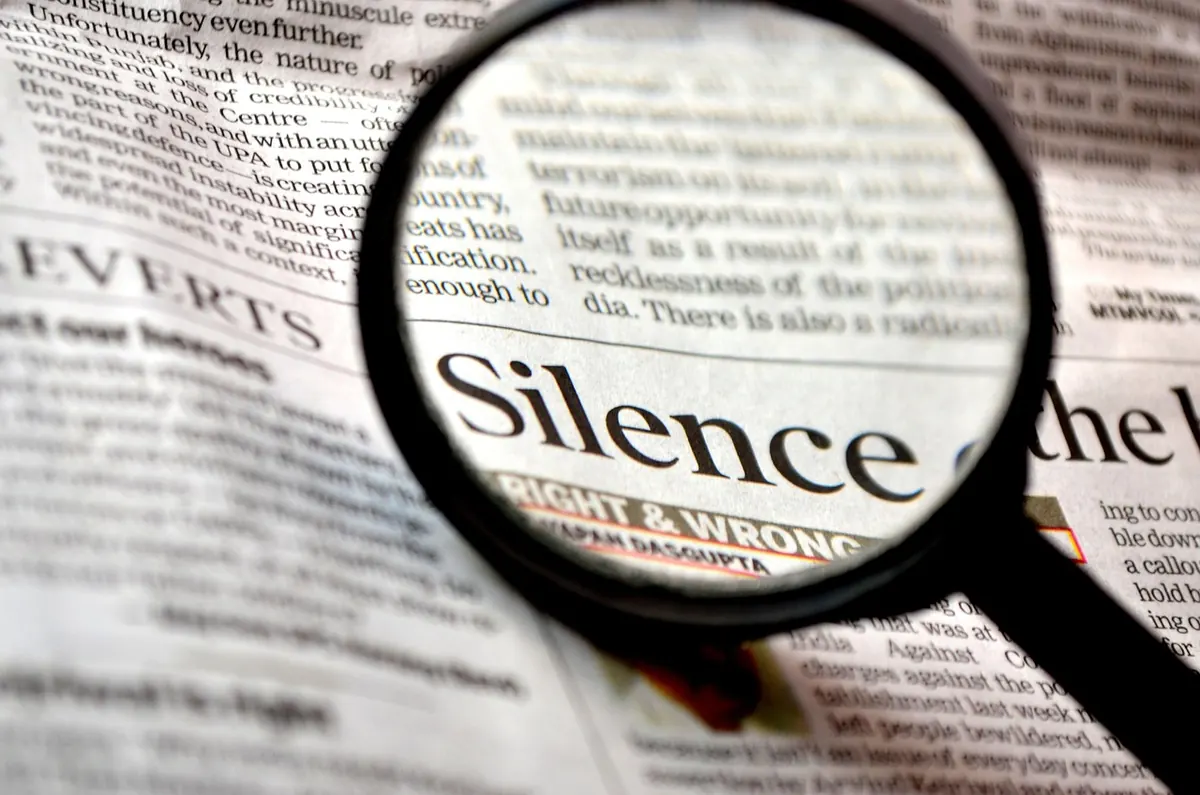
A summary lands in your feed: four lines, a striking number, a screenshot of a headline. It takes seconds to read and one tap to share. It also takes about a minute to work out whether it deserves either — and that is the part most of us skip.
Good summaries are genuinely useful. They save you from wading through a long report and point you towards the thing worth reading in full. The problem is that the confident ones and the careless ones are written in exactly the same tone of voice. Here is a checklist you can run before you pass anything on.
A summary is only as good as what it summarises. Before you absorb a word about the council budget, the latest company results or a change to the rules, look at who is doing the telling.
Ask three questions. Does the summary name where its information came from? Can you click through to the original report, statement, judgment or dataset? Is there an about page, an editorial contact or a masthead — anything showing that a real person or team stands behind the words?
Aggregators are not automatically a problem. Plenty of sensible accounts summarise the day's news well, and a good summary will always point back to the original. What you want to avoid is the version that presents borrowed reporting as its own work. If the only traceable source is the summary itself, you are reading a rumour with good grammar.
Recycled news is the most common trap on social media. A story from five years ago can circulate as though it broke this morning, and the details often survive the journey better than the date does. Look for a published time, and a revised one if the piece has been updated.
Then check the underlying event, not just the post. A report published last month may be based on figures collected years ago. A consultation may have closed. A policy may have been announced and quietly dropped. If the summary never says when the thing happened, you have no way of knowing whether it is still true. No date at all is a reason to stop reading, not to carry on.
Strong summaries are specific. They tell you what the evidence is, not just what it concludes.
Weak summaries lean on phrases such as "reports suggest", "it is understood" or "insiders claim". Consider this line:
"Sources close to the situation say the plans will affect thousands."
Which sources? Which plans? Thousands out of what? A sentence like that can be entirely accurate and still tell you almost nothing.
One related point. A quote proves that someone said something, not that the something is true. Summaries that stack up quotations without testing the claim behind them are doing half the job.
Two honest summaries of the same document can read very differently. That is not always bias; it is the result of choices about what to lead with and what to leave out. Compare the headline with the body text. If the headline claims more than the third paragraph supports, that gap is the message.
A few questions worth asking:
Watch for the passive construction that dissolves responsibility: "concerns have been raised", "mistakes were made", "questions remain". Who raised them? Who made the mistakes? Ask who benefits if you believe this version of events, and whether the summary would look different written from the other end of the story.
If five accounts are quoting the same original report, you have not found five sources. You have found one source with five echoes. Look for a second version produced independently: a different newsroom, the original document, or an official statement.
Two warnings. A second source repeating the first is not confirmation, however confident it sounds. And if the only disagreement between two versions is about tone or emphasis, that is a framing difference rather than a factual one — and rarely worth an argument.
Where a summary concerns health, money or legal matters, treat the checklist as a starting point rather than a verdict. If something suggests you should change medication, move your pension or sign an agreement by Friday, go to the original guidance and speak to a qualified professional or the relevant regulator before acting on it.
Run these five steps in order. Most summaries will pass or fail within the first two.
If a summary fails two or more of those steps, don't share it. If you have already shared it, edit the post or delete it, and say plainly that you checked and it did not hold up. That small correction costs you nothing and saves your friends a wasted argument.
None of this requires you to become a media analyst. It requires a minute, a mild amount of suspicion, and the willingness to say "I don't know yet". That last one is the most useful habit of all — and the one most likely to keep the rubbish out of your feed.
Photo: PDPics / Pixabay

Most news summaries lose readers through a handful of fixable habits — buried leads, missing context, jargon and...

A plain-English guide to how UK television ratings are measured in 2025, why streaming data now counts, and how to...

National digests skim over devolution, council budgets and regional economies. Here is how to follow the local...

Your daily spot for concise news digests..