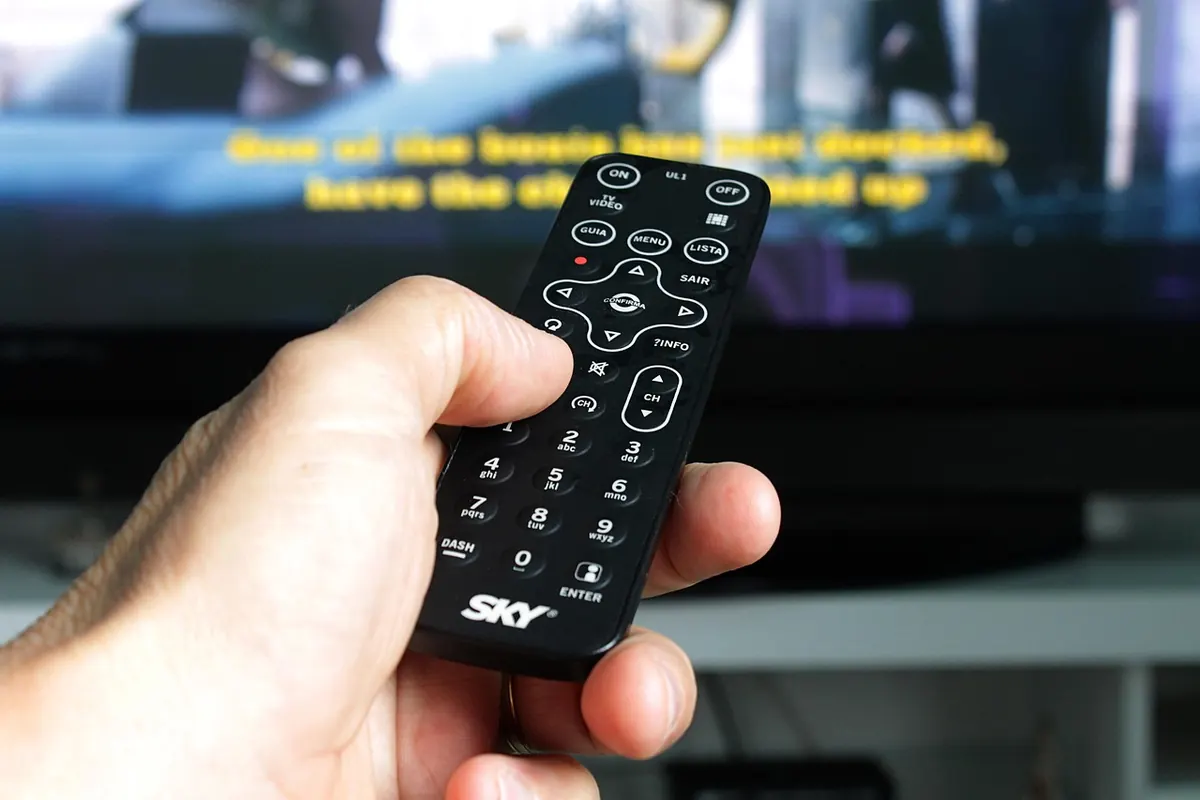
Every few weeks, a headline announces that a programme has "lost viewers" or has "been watched by millions". Both can be true at once, because British television no longer has one set of ratings. It has several, each measuring something slightly different. Since the streaming services began reporting audience data into the UK's official measurement system, the picture has become fuller — and harder to read. Here is what has changed, and how to make sense of the numbers next time they land in your feed.
For most of the past thirty years, the ratings conversation was simple. A sample of households had meters attached to their televisions. Figures arrived the next morning, and an overnight number decided whether a show was a success, a flop or a slow starter. A week later came the consolidated figure, which added recordings and catch-up viewing. That was broadly it.
This worked while almost everyone watched in the same way: live, on a television, on the night. It struggled the moment people started watching on laptops, phones and apps, and it struggled badly once box sets arrived. A drama that was hugely popular on iPlayer could look like a disappointment in the overnights, simply because nobody was watching it on the night it aired.
The UK's official audience figures come from Barb, the Broadcasters' Audience Research Board. It is owned collectively by the main broadcasters and the advertising industry, which is why its numbers are treated as a common currency for the whole market rather than one company's marketing.
Its core method is still a panel: several thousand households, recruited to represent the country, with meters that record what is being watched on televisions, tablets, phones and computers. Router-level measurement helps catch viewing that arrives through the home internet connection, and aggregated data from set-top boxes fills in the wider picture. Alongside that, streaming services now supply their own viewing data to Barb under agreed rules — the change that matters most in 2025.
One half tells you who watched: age, region, household type. The other tells you how much was watched. Broadcasters need both. An advertiser wants to reach a particular audience; a commissioning editor wants to know whether the people who started a series finished it.
None of these is wrong. They simply answer different questions. A programme with enormous reach and low hours has been sampled widely and abandoned; one with modest reach and very high hours has a small, devoted following. Both are real, and both lead to different decisions.
Bringing streaming into the official figures is progress, but it does not make everything line up neatly.
Films sit slightly apart too. Cinema takings are measured by box office, and a film that barely registered in cinemas can become a large streaming success months later. Two different measurements, one title — which is why "flop" and "hit" can both be honest descriptions of the same release.
And the biggest competitor to all of it is barely counted in the same way: short video, gaming, podcasts and the simple act of scrolling. Television ratings measure television, which is no longer the whole of anyone's evening.
Measurement shapes commissioning. If a broadcaster can see that a drama grew steadily over four weeks — strong 28-day figures, high completion rates, a younger audience arriving late — there is a case for a second series even when the overnights looked ordinary. That is one of the more encouraging shifts of recent years: the slow burn has a better chance than it used to.
It also explains a few irritations. Ad-funded tiers on streaming services exist because measurement now shows how many people are watching with attention, and what advertisers will pay for them. Regional news, niche documentaries and minority-language programming stay vulnerable, because they deliver modest numbers against high costs, however much they matter. And the phrase "most watched" nearly always comes with an unstated qualifier: most watched on this service, in this window, by this measure.
Next time a headline makes a claim about audiences, run through these checks. It takes a minute.
And if you are simply a viewer hoping your favourite survives, the honest position is that finishing a series, watching within the first few weeks and recommending it to other people still helps more than any petition. The measurement has become more sophisticated, but the fundamentals of a hit have not changed: a lot of people, watching properly, reasonably soon.
Photo: Gadini / Pixabay

Most news summaries lose readers through a handful of fixable habits — buried leads, missing context, jargon and...

National digests skim over devolution, council budgets and regional economies. Here is how to follow the local...

A plain-English guide to Budget day: the handful of terms that matter, where to find the real numbers, and how to...

Your daily spot for concise news digests..
